

precision healthcare

About Probingon
Probingon licenses FAT-IBC, the first validated wireless communication layer for independent implanted medical devices, to OEM manufacturers in bioelectric medicine. We provide the enabling architecture. The OEM builds the product, runs the clinical programme, and carries the regulatory pathway.
Know MoreThe architectural constraint

Most implantable devices today sense and stimulate from the same unit, approximating closed-loop therapy within the limits of a single device. This colocation constraint defines the boundary of what today's implants can do without external hardware. FAT-IBC removes it by connecting independent implanted nodes directly through the body, wirelessly, enabling implants to sense in one location and treat in another without a wired lead or an external relay. That is genuine, fully implanted closed-loop therapy.

Validated science, not a concept
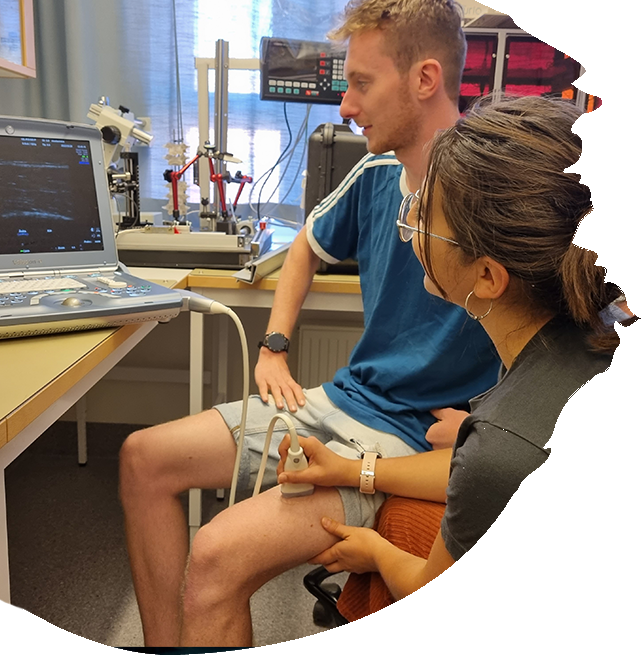
FAT-IBC emerged from over a decade of research at the Microwaves in Medical Engineering Group at Uppsala University. The technology has been independently validated through an EU-funded research programme, peer-reviewed and published, and patent-protected. It is ready for OEM integration. See the peer-reviewed evidence and regulatory outlook →
Market and opportunity
Bioelectric medicine is one of the fastest-growing fields in healthcare: implantable devices that treat conditions from chronic pain to cardiac arrhythmia using electrical signals. The global market is measured in tens of billions. Every manufacturer in this space faces the same technological limitation, and FAT-IBC is the only validated solution that removes it. One communication layer, licensed to every OEM that needs it.


Our commercial structure
Probingon operates on two complementary tracks.
Track 1: Technology licensing
Probingon's primary commercial model is technology licensing. FAT-IBC, our validated wireless intrabody communication subsystem, is licensed to OEM manufacturers of implantable medical devices. The OEM carries the clinical programme, the regulatory pathway, and the reimbursement strategy. We provide the communication layer and integration support. Revenue is generated through upfront licence fees, milestone payments tied to OEM regulatory and commercial gates, and royalties on deployed units.
Track 2: Selective device development
In parallel, selected technologies from our research platform at Uppsala University advance toward full medical device commercialisation, where clinical evidence and market size justify the longer development timeline. These programmes run primarily on non-dilutive grant funding and do not affect the licensing business financially or operationally.
Investor? Our business model is licensing-first, not device development. See our Investors page →
Our Team


Partners Network